
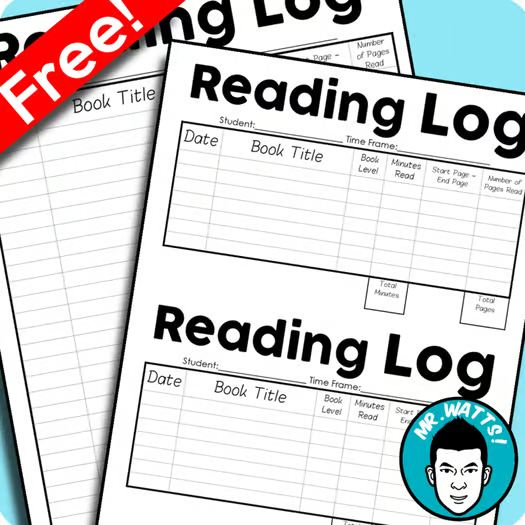
We have all been there: the end of the month approaches, and we are met with a stack of crumpled reading logs that feel more like a “to-do” list than a reflection of a student’s journey through a book. I realized early on that if a reading log is just a place to sign a name, it loses its value as a pedagogical tool. To truly help students grow, they need a way to see their own progress in data points that make sense to them.
When you provide a structured way for students to track their reading, you aren’t just checking for accountability; you are teaching them how to manage their time and monitor their own stamina.
Flexibility for Your Classroom: Monthly vs. Weekly
Every classroom dynamic is different. Some teachers prefer the long-term view of a monthly goal, while others find that the short-term focus of a weekly check-in keeps students more engaged. To support both styles, I have created a template that offers two distinct formats:
- Monthly Reading Logs: Ideal for building long-term habits and seeing the “big picture” of a student’s reading volume over 30 days.
- Weekly Reading Logs: Perfect for students who need more frequent feedback or for classrooms that operate on a strict weekly rotation.
What We Track (and Why It Matters)
To move beyond the surface level, these templates guide students to record specific data points that help them—and you—understand their reading behavior. On each log, students will track:
- The Date: To help them see their consistency (or lack thereof).
- Book Title & Level: To ensure they are selecting “just right” books and diversifying their reading.
- Minutes Read & Pages Read: The core metrics of reading stamina.
- Page Started On/Page Ended On: A simple way to verify progress and prevent “placeholder” entries.
The Hidden Math: Finding Pages Per Minute
One of my favorite features of this specific log is the section at the bottom where students add up their total minutes and total pages. This isn’t just a record-keeping exercise; it’s a math opportunity.
With these totals in hand, finding “Pages Per Minute” becomes a breeze. You can use this data to have students set personal goals: “If I read 1 page per minute this week, can I push myself to 1.2 next week?” This turns reading into a tangible challenge where they can see themselves getting faster and more focused.
Why These Logs Work
When reading logs are clear and effective, they stop being a hurdle and start being a map.
- For the Student: It provides a sense of accomplishment as they see the “total minutes” climb.
- For the Teacher: It offers an immediate snapshot of student engagement during conferences.
- For the Parent: It provides a clear structure for at-home reading expectations.
By providing your students with a consistent way to track their progress, you are giving them ownership of their growth. They stop reading because they “have to” and start reading because they want to see those totals grow.


Leave a Reply